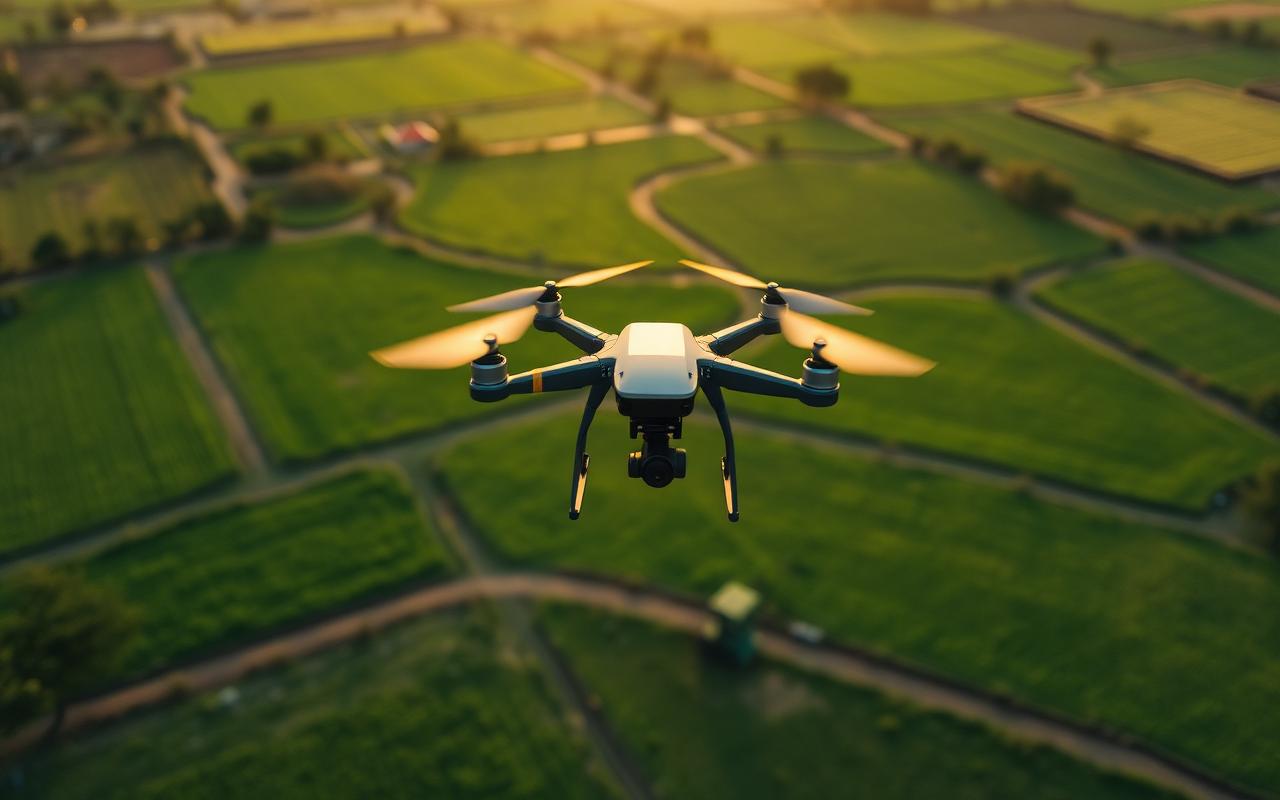
Nano, micro, small: what your drone weighs decides almost everything about where and how you can legally fly it.
Drone rules in India are simpler than their reputation. The single most important number is your take-off weight, because that number decides your category and most of your obligations.
Under 250 grams you are in the nano category, and for recreational flying below 15 metres in uncontrolled airspace the requirements are minimal. Between 250 grams and 2 kilograms you are in micro, and above that small. Most 4K camera drones, including ours at 595 grams, sit in micro.
Micro and above need a Unique Identification Number registered on the Digital Sky portal, and the operator needs a Remote Pilot Certificate for anything other than nano recreational flying. Registration is free and takes about twenty minutes online.
Airspace is colour coded. Green means fly freely up to the stated ceiling. Yellow means you need permission from air traffic control. Red is prohibited. Check the Digital Sky airspace map before every flight in a new place; the zone around most airports extends further than people expect.
Beyond the paperwork, the practical rules are common sense: keep the aircraft in visual line of sight, do not fly above 120 metres, do not fly over crowds or moving vehicles, and do not fly at night without proper lighting and permission. Photographing defence installations, ports and government buildings is off limits regardless of category.
Finally, insure it. Third-party drone insurance in India is inexpensive and it turns a very bad day into a mildly annoying one.
Shop the range